What to Plant in Spring Month by Month
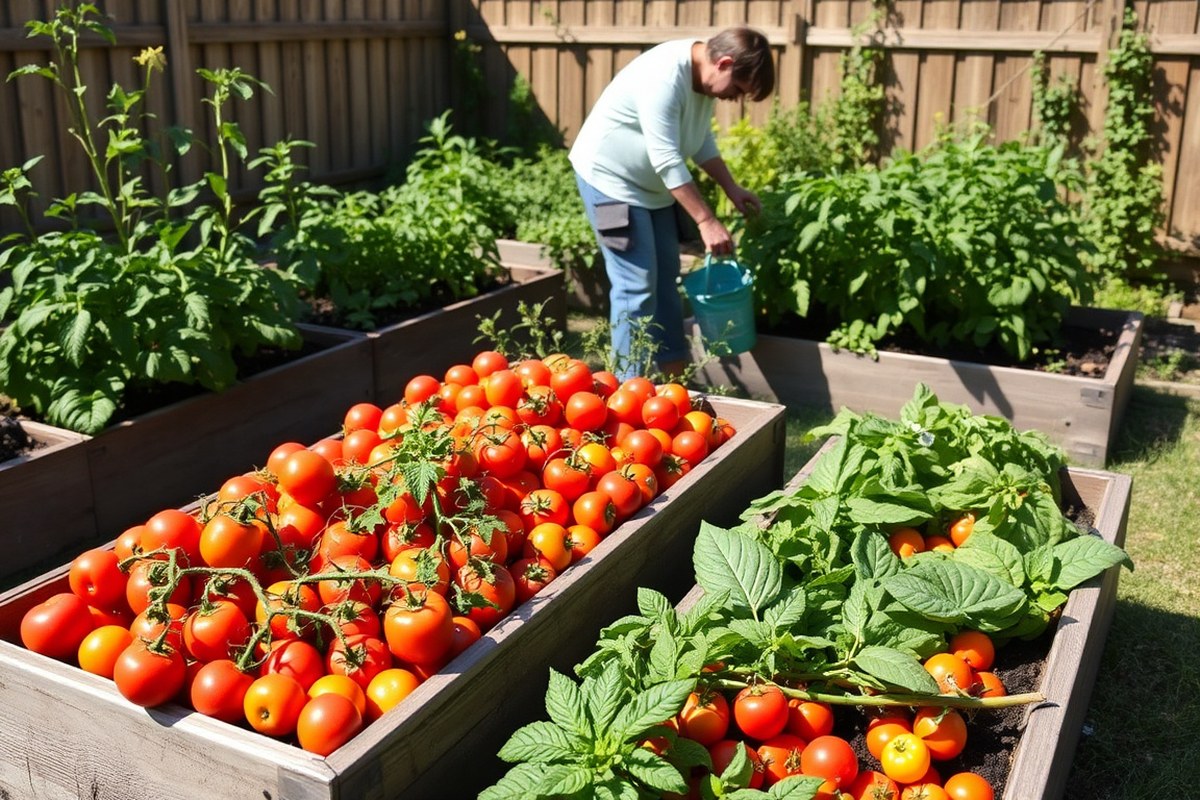
Planting your spring garden requires following a specific timeline based on the temperature of your soil. You should start hardy vegetables like peas and kale in early March, while heat loving plants like peppers must wait until late May. This guide provides a month by month schedule to help you grow a healthy garden from the first thaw through the end of spring.
What to plant in March for early harvests
March is the time to focus on cold hardy crops that can handle a light frost. As soon as the soil is dry enough to crumble in your hand rather than forming a tight mud ball, you can begin your outdoor work. Spend about thirty minutes preparing a small patch of ground by removing old weeds and loosening the top six inches of dirt. These early plants prefer full sun, which means at least six hours of direct light, to help warm the cool soil.
Water these early seeds once every three days if it does not rain, as the wind can dry out the surface quickly. You do not need deep soaking yet because the air is cool and evaporation is slow. Focus on these specific varieties during the first few weeks of the season:
- Green peas: Plant seeds one inch deep and two inches apart.
- Radishes: Sow seeds half an inch deep in rows.
- Spinach: Scatter seeds thinly and cover with a light layer of soil.
- Broad beans: Place large seeds three inches deep in double rows.
- Onion sets: Press small bulbs into the dirt until only the tips show.

The best crops for April planting
April is the busiest month for most gardeners because the soil temperature usually rises above 45 degrees Fahrenheit. This is the ideal time to transplant seedlings you started indoors or bought at a nursery. Most of these plants need one inch of water per week, so check the soil moisture every other day by sticking your finger an inch into the ground. If it feels dry, give each plant a slow drink at the base of the stem to avoid getting the leaves wet.
Many root vegetables and leafy greens thrive when planted during this mid spring window. If you are practicing Gardening in a backyard plot, make sure to space your rows at least twelve inches apart to allow for easy weeding. Use this list for your April garden tasks:
- Carrots: Mix tiny seeds with sand to sow them evenly in shallow trenches.
- Potatoes: Bury sprouted tubers six inches deep with the eyes facing up.
- Lettuce: Plant a new row every two weeks for a continuous supply.
- Beets: Soak seeds for two hours before planting to speed up growth.
- Broccoli: Set out young plants eighteen inches apart in a sunny spot.
How to plant in May for summer heat
May is when you can safely move your most delicate plants outside once the danger of frost has passed. These plants require warm soil and at least eight hours of sun to produce fruit. If you live in a colder area, wait until the final week of May to ensure the nights stay above 50 degrees Fahrenheit. These varieties are very thirsty and often need deep watering every two days during dry spells.
This is also the perfect time for a Container garden on a porch if you lack space in the ground. Pots dry out faster than the earth, so you might need to water container plants every single morning. Follow these steps for your late spring planting:
- Tomatoes: Dig a deep hole and bury the stem up to the first set of leaves.
- Zucchini: Plant three seeds in a small mound of dirt and keep the strongest one.
- Green beans: Push seeds one inch into the soil once the ground is warm.
- Cucumbers: Provide a trellis or fence for these vines to climb.
- Sunflowers: Plant seeds in the sunniest spot available along a back border.
Maintaining your spring garden as it grows
Success in the garden depends on more than just the planting date. You must spend about fifteen minutes each morning checking for pests and pulling small weeds before they take over. Weeds compete with your vegetables for water and nutrients, so removing them early is vital. If your soil looks pale or feels like dust, add a layer of mulch around your plants to hold in the moisture and keep the roots cool.
Check your plants for color changes every week. Healthy leaves should be a deep green color. If you see light green or yellow leaves, your plants might need a liquid organic fertilizer. Apply the fertilizer according to the package directions, usually once every two weeks, to keep the growth steady as the weather turns from spring to summer heat. Consistent care in late May ensures your plants are strong enough to survive the hot July sun.


Comments
Post a Comment