Shade Garden Ideas That Still Look Full
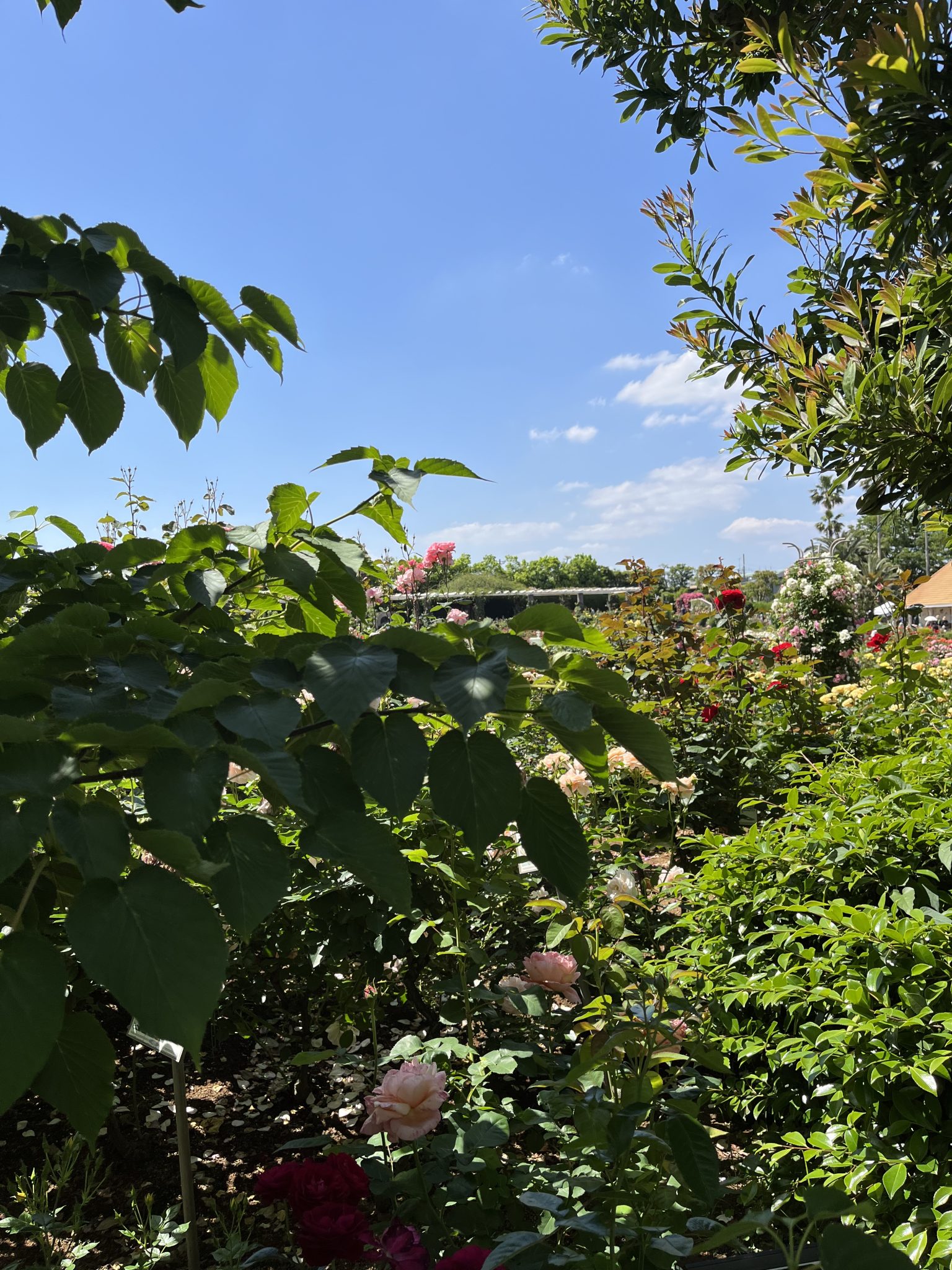
You can create shade garden ideas that still look full by layering plants with broad leaves, mixed heights, and rich green colors. Focus on hardy plants like hostas, ferns, and coral bells that thrive in four hours or less of sunlight each day. This step-by-step guide shows you how to prep the soil, pick the right spots, and set a watering routine that keeps your shade bed thick all summer long.
What Shade Garden Ideas That Still Look Full Need First
Shade beds dry out at a different rate than sunny beds. Tree roots take up soil moisture fast, while dark areas under walls stay damp for days. Check your soil moisture by pressing your index finger two inches deep into the dirt. If the dirt feels dry at that depth, your plants need water. Give the entire bed one inch of water early in the morning every five to seven days. Deep watering encourages roots to grow down ten inches into the ground instead of staying near the top.
Soil quality makes the difference between thin plants and a dense garden. Mix three inches of rich organic compost into the top six inches of your soil before you plant anything. This step takes about thirty minutes for a four by eight foot bed. Add a two inch layer of shredded bark mulch over the soil after planting. Mulch locks in moisture for up to four days and stops weeds from popping up between your foliage.

Plant Choices for Dense Shade Layers
Select plants that grow to different heights and broad widths so no bare dirt shows through. Group three to five plants of the same type together instead of scattering single plants around. This grouping trick tricks the eye and creates an instant wall of leaves. You can read more about standard Gardening practices to understand basic root depth and care for outdoor beds.
- Hostas: Pick broad varieties like Frances Williams or Sum and Substance. They need two hours of gentle morning light and water twice a week. They grow three feet wide and fill low gaps fast.
- Ostrich Ferns: These tall plants grow three to four feet high. Plant them at the back of the bed in deep shade. Keep their soil damp constantly.
- Coral Bells (Heuchera): These supply purple and red leaves all season. They need three hours of indirect light and one deep soaking every six days. They grow twelve inches tall and wide.
- Japanese Forest Grass: This arching grass grows eighteen inches high. It brightens dark corners with yellow and green blades. Water it when the top inch of soil feels dry.
How to Layout a Full Shade Bed Step by Step
Set up your planting zone in one afternoon. Measure your bed space with a tape measure so you know how many plants to buy. Allow eighteen inches between medium plants and twenty-four inches between large hostas. Spacing them correctly prevents mold while allowing the leaves to overlap completely by year two.
- Clear all weeds, rocks, and dead roots from the site in twenty minutes.
- Spread three inches of compost over the top of the bed.
- Dig holes twice as wide as the nursery pots and the exact same depth as the pots.
- Remove each plant from its pot and gently loosen the bottom roots with your fingers for ten seconds.
- Place tall ferns twenty-four inches apart along the back edge of the bed.
- Set hostas eighteen inches apart in the middle row, staggering them between the ferns.
- Fill the front edge with coral bells spaced twelve inches apart to hide all soil lines.
- Water the whole bed for ten minutes using a soft spray nozzle on your garden hose.
How Much Sun and Water Shade Beds Need
Dappled shade means light filters through tree leaves for four to six hours. Deep shade means less than two hours of direct sun each day, usually near fence lines or house walls. Test your spot by checking it at 9:00 AM, 12:00 PM, and 3:00 PM. Note whether the ground has full sun, bright shadow, or dark shadow. Match your plant tags to those exact clock hours so the leaves do not burn or stretch out long and thin.
Adjust your hose schedule based on the seasonal temperature. Give your shade garden one inch of water once a week when temperatures stay below eighty degrees. Increase that to one inch of water twice a week during hot spells over eighty-five degrees. Pour water right at the base of the stems for thirty seconds per plant. Keep water off the leaves late in the day to stop leaf spots from forming overnight.
Easy Maintenance for Year Round Fullness
Spend fifteen minutes once a week maintaining your shade space. Trim off yellowed outer leaves at the base of the plant using sharp hand shears. Cut spent flower stalks off hostas and coral bells down to the leaf crown after the blooms fade in midsummer. This sends energy back into the root system to build bigger leaves for the next season.
Feed your shade bed once in early spring right as the new shoots poke through the dirt. Spread a balanced, slow release granular fertilizer around the base of each plant using one tablespoon per root bundle. Scratch the granules into the top inch of soil gently. Water the area for five minutes to activate the plant food. This single spring feeding keeps the leaves dark green and thick through the fall months.


Comments
Post a Comment