How to Grow Tomatoes in Pots: Exact Soil Mix and Water Guide
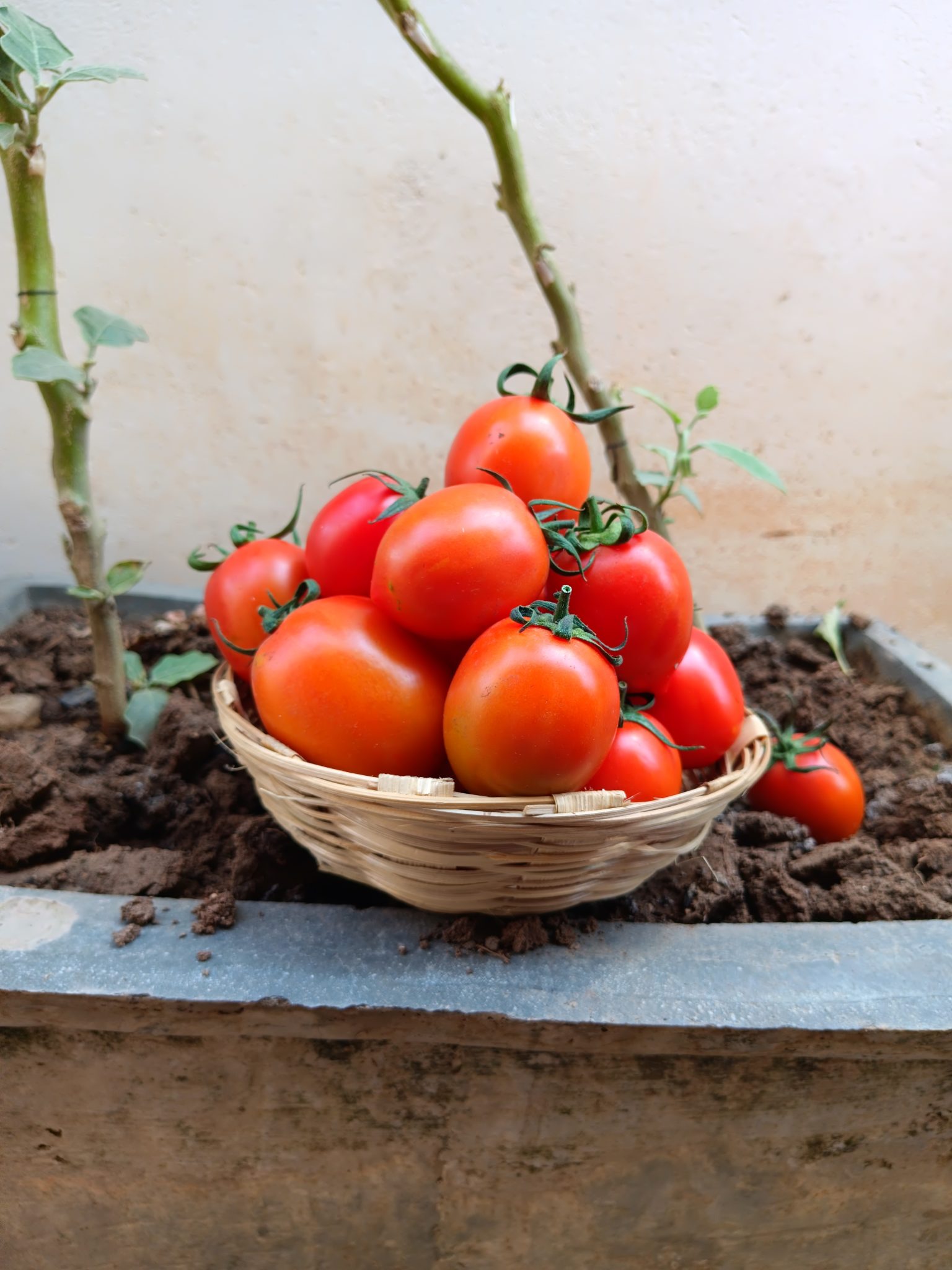
To succeed at growing tomatoes in pots, plant one bush variety in a container that holds at least five gallons of soil and receives eight full hours of direct sunlight daily. Water the soil with one gallon of water every morning, ensuring the liquid drains completely out of the bottom holes. Feed your plant two tablespoons of liquid tomato fertilizer once every seven days starting when the first yellow flowers open.
Choose the Best Container and Soil Mix
Your pot must have holes in the bottom so extra water escapes quickly. Plastic and fabric pots work best because they do not dry out as fast as unglazed terra cotta pots during hot summer afternoon hours. Select a container that measures at least twelve inches deep and twelve inches wide across the top rim. A five-gallon bucket with five small holes drilled into the bottom base works perfectly for one plant.
Do not use standard soil dug up from your garden beds. Dirt from the yard is too heavy, packs down tight in containers, and stops air from reaching the roots of your plant. Fill your container with a lightweight potting mix designed for a container garden instead. Mix four parts of standard potting soil with one part of coarse perlite to keep the root area loose and full of air.

Set Up Stakes and Plant Your Seedling
Planting depth is the secret to growing strong tomato stems in small spaces. Pick a nursery seedling that is six to eight inches tall. Pinch off the lower leaves using your fingers, leaving only the top four leaves on the stem. Set the seedling deep into the soil mix so two-thirds of the bare stem sits entirely below the soil surface. New roots will grow all along the buried stem within ten days.
Push a heavy wooden stake or metal cage deep into the pot right after planting your seedling. Doing this step on day one prevents root damage later in the season. Use soft cloth strips or garden twine to tie the main stem to your support structure every six inches as it grows tall.
- Remove lower leaves from the bottom four inches of your seedling stem.
- Bury two-thirds of the seedling deep into the potting mix.
- Press the soil down gently around the base using your flat hands.
- Insert a four-foot tall cage into the pot right next to the stem.
- Tie the stem loosely to the support cage using soft cotton string.
Watering Daily for Big Yields
Potted plants lose moisture much faster than plants growing straight in the ground. Pour one gallon of water directly over the root zone every morning before nine o'clock. Morning watering allows the leaves to dry quickly in the sun, which prevents leaf spots and fungal diseases. Never let the soil dry out completely, or the bottoms of your green fruit will turn black and soft.
Adjust your watering routine based on outdoor summer heat. When daily temperatures rise above eighty-five degrees Fahrenheit, check the top inch of soil again at four o'clock in the afternoon. If the top soil feels completely dry to your touch, pour a second half-gallon of water slowly around the base until liquid drips from the drainage holes.
How Often to Water Potted Tomatoes?
Give your growing plant a set amount of water based on its current size and the local weather. Consistent moisture keeps the fruit skin from cracking as the tomatoes expand on the vine. Keep your watering hose directed right at the soil level rather than spraying down the leaves from above.
Stick your index finger two inches deep into the soil every single morning. If the soil feels damp and cool, wait until the next morning to water. If it feels warm and dry, water the container right away using this simple routine:
- Spring weeks: Add half a gallon of water every two days.
- Early summer: Add one gallon of water every morning.
- Peak heat summer: Add one gallon in the morning and half a gallon at five in the evening.
- Early autumn: Reduce water to half a gallon every morning as fruits finish ripening.
Feed Your Plants for Heavy Fruit
Container soil loses its natural plant food every time water drains out the bottom holes. Start feeding your plant three weeks after potting it up into its main container. Use a plant food that is low in nitrogen and high in phosphorus, which encourages the plant to make flowers and fruit instead of just thick green leaves.
Mix two tablespoons of dry plant food or liquid fertilizer into one gallon of water every Sunday morning. Pour the nutrient liquid slowly over the roots after you have already moistened the soil with plain tap water. Stop adding plant food four weeks before the first expected frost date in autumn to let the plant finish ripening its final batch of red fruit.


Comments
Post a Comment