How to Fix Yellow Leaves on Houseplants fast
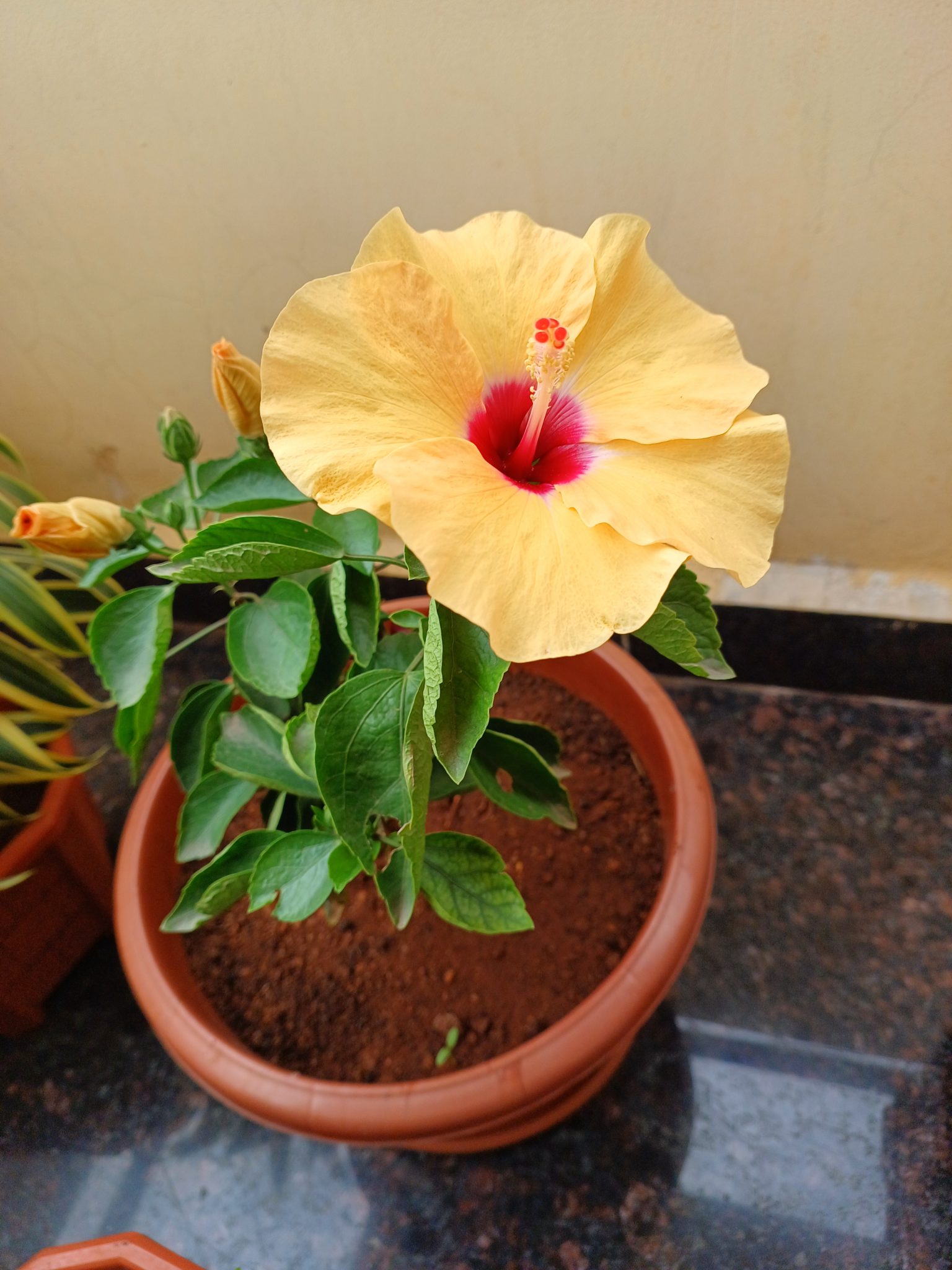
You can fix yellow leaves on your houseplant by changing your watering routine and moving the pot to the right light. Check the top two inches of soil with your finger today to see if it feels wet or bone dry. Cut off fully yellowed leaves at the base using clean scissors so the plant can grow new green shoots.
How to Fix Yellow Leaves on Houseplants from Overwatering
Overwatering is the main reason green leaves turn soft and yellow. When soil stays wet for days, root rot sets in and stops the plant from breathing. Poke your finger deep into the pot once a week. If wet dirt sticks to your skin, wait four more days before you add any liquid. Damp soil needs time to dry out between waterings.
Empty the drainage tray under your pot twenty minutes after you water. Never let a pot sit in a puddle of standing water. If the soil smells sour, move the plant to fresh potting mix with extra drainage holes immediately.
- Check the soil moisture using your index finger up to the second knuckle.
- Wait until the top two inches of soil feel completely dry to the touch.
- Pour water over the soil until it drips out of the bottom drainage holes.
- Empty the saucer after twenty minutes so the roots stay healthy.

Adjust Sun Exposure for Pale Yellow Leaves
Too little sun causes lower leaves to turn pale yellow and drop off. Move your pot to a spot that receives six hours of bright, indirect sunlight every day. A table placed three feet away from an east or south window gives ideal light. Keep leaves out of direct mid-day sun, which scorches green foliage and leaves white brown spots.
Dust blocks sunlight from reaching the green cells inside the foliage. Wipe the top and bottom of each leaf once every month using a damp cloth. Clean leaves take in more light and stay bright green all year round.
Fix Nutrient Deficiency and Feed Your Plants
Old soil loses its food over time, which makes whole plants turn light green or yellow. Apply a balanced liquid plant food once every four weeks during spring and summer. Mix half a teaspoon of liquid fertilizer into one gallon of room temperature water. Skip feeding completely during late autumn and winter when growth stops.
Yellow leaves with dark green veins mean your soil lacks iron or magnesium. Flush the pot with two quarts of tap water to wash away old salt buildup. Then apply liquid plant food diluted to half strength to restore necessary soil minerals.
- Buy a liquid nitrogen fertilizer made for indoor green foliage.
- Mix half a teaspoon of fertilizer into one gallon of water.
- Water the soil with the mixture once every four weeks in spring.
- Stop all feeding from October through February.
Check for Secret Insect Damage Under the Leaves
Tiny pests suck sap from stem tissues, which drains the color out of leaves. Look at the underside of yellowing leaves using a bright light once a week. Webbing on stem joints signals spider mites, while tiny white cotton patches mean mealybugs are present. Isolate the infected pot from your other indoor plants right away to stop insects from spreading.
Mix one teaspoon of mild liquid dish soap into two cups of water inside a spray bottle. Spray the top and bottom of every leaf until wet. Wipe the leaves clean with a paper towel after ten minutes. Repeat this spray process every three days for two weeks to clear the plant of pests.
Maintain the Ideal Temperature and Humidity
Cold drafts from windows make leaves curl, turn yellow, and fall to the floor. Keep your pots in rooms that stay between sixty-five and seventy-five degrees Fahrenheit. Move green plants at least five feet away from cold winter glass, warm radiator vents, and running air conditioners.
Dry air starves tropical plants of the moisture they need to hold green pigment. Group three or four pots together on a shallow pebble tray filled with water to boost room humidity. The water evaporates around the pots and keeps leaf tips fresh without making the soil soggy.


Comments
Post a Comment