Growing Tomatoes in Pots: Complete Start to Finish Guide
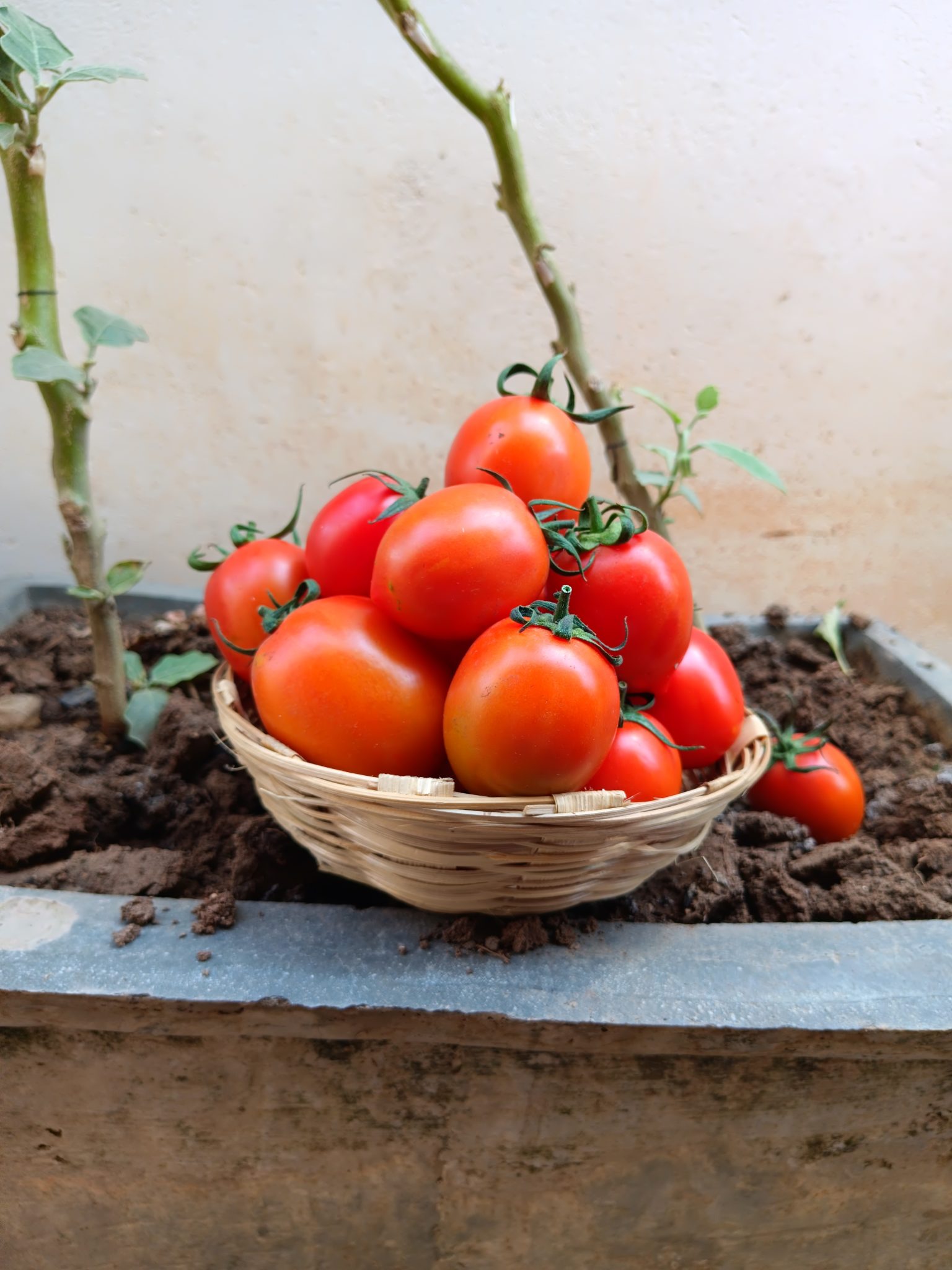
You can start growing tomatoes in pots today using a 5-gallon container and a sunny spot on your patio. Set your pot where it gets 6 to 8 hours of direct sun daily and water it once every morning until liquid flows from the bottom. This guide gives you the exact timing, pot sizes, and care steps to grow a heavy harvest all season long.
What You Need for Growing Tomatoes in Pots
Before you begin, gather the right supplies to set your plants up for quick growth. Cherry tomato varieties grow best for beginners because they set fruit fast and fit well in medium containers. Large slicer tomatoes need much bigger pots to keep their roots cool during hot summer months.
Using the proper soil mix stops root diseases and keeps water moving through the container. Never use standard dirt from your yard because it packs down tight inside a pot and starves roots of oxygen. Buy fresh potting mix that contains peat moss or coconut coir mixed with perlite.
- 5-gallon pot: Choose a plastic or fabric container that is at least 12 inches deep with drainage holes.
- Potting soil: Use 20 quarts of fresh, loose potting mix for each 5-gallon pot.
- Tomato plant: Pick one healthy 6-inch seedling with bright green leaves and a thick main stem.
- Support cage: Buy a 4-foot wire tomato cage or a thick wooden stake to keep stems upright.
- Plant food: Select a balanced liquid fertilizer made for growing vegetables in a container garden.

How to Plant Your Tomato Seedling Step by Step
Planting takes about 15 minutes per container when you have your supplies ready. Plant outdoor tomatoes after all danger of frost has passed in spring, when night temperatures stay above 50 degrees Fahrenheit. Warm soil encourages fast root growth right after planting.
Tomatoes are unique because they grow new roots along any part of the main stem buried underwater or soil. Burying the stem deep creates a huge, strong root system that supports heavy yields later in the summer season.
- Prep the pot: Fill your container with moist potting soil until it sits 3 inches below the top rim.
- Trim lower leaves: Snip off the bottom two sets of leaves from your seedling using clean scissors.
- Dig a deep hole: Make a hole in the center of the soil that is deep enough to cover two thirds of the plant stem.
- Set the plant: Place the seedling in the hole, fill in around it with soil, and press down gently with your hands.
- Insert the support: Push your wire cage deep into the pot right now so you do not hurt roots later.
- Water thoroughly: Pour 1 gallon of room temperature water slowly around the base until it drains out the bottom.
Sunlight and Daily Watering Needs
Place your potted plant in a spot that receives at least 6 hours of unshaded, direct sun each day. Morning sun is best because it dries dew off the leaves quickly and prevents fungal diseases. If your patio gets hot afternoon heat above 90 degrees Fahrenheit, partial shade late in the day keeps plants happy.
Containers dry out much faster than garden beds, so checking moisture daily is necessary. Stick your index finger 2 inches deep into the soil every morning. If the soil feels dry at your fingertip, give the plant water until it streams out the bottom drainage holes.
During cool spring days, watering once every 3 days is usually enough. When midsummer heat arrives, you must water once every single morning. Never let the soil dry out completely, as uneven water causes fruits to crack open or turn black on the bottom.
How Often to Feed Potted Tomatoes
Potted plants lose nutrients fast because every irrigation pass washes minerals out through the drainage holes. Start feeding your plant two weeks after planting it in the container. Regular feeding keeps leaves dark green and pushes the plant to produce flowers continuously.
Mix your liquid vegetable fertilizer into water according to the package directions once every 14 days. Apply this mix directly to the wet soil around the base of the plant right after a regular watering session. Avoid spilling concentrated fertilizer on the leaves to prevent leaf burn.
When flowers appear, switch to a fertilizer lower in nitrogen and higher in potassium and phosphorus. Too much nitrogen makes the plant grow huge green leaves but zero red fruit. A balanced tomato food yields sweet, juicy fruit until the early frosts of autumn arrive.
How to Harvest Potted Tomatoes
Fruit begins to ripen roughly 60 to 80 days after planting, depending on your variety. Check your plant every two days once you see the first fruits change color from green to light orange. Early morning is the ideal time to pick ripe fruit while the skins are cool and firm.
Grasp the ripe fruit gently and twist it until the stem snaps cleanly off just above the green cap. You can also snip stems with small garden shears to prevent pulling on heavy branches. Allow slightly underripe tomatoes to finish turning red on your kitchen counter out of direct sun.
Prune small sucker shoots that grow in the V-shaped space between the main trunk and side branches once a week. Removing these small shoots takes 2 minutes and directs plant energy into growing larger fruits instead of extra stem growth. Proper care keeps your potted plants producing until winter cold ends the season.


Comments
Post a Comment