Container Gardening for a Tiny Patio: Easy Setup Guide
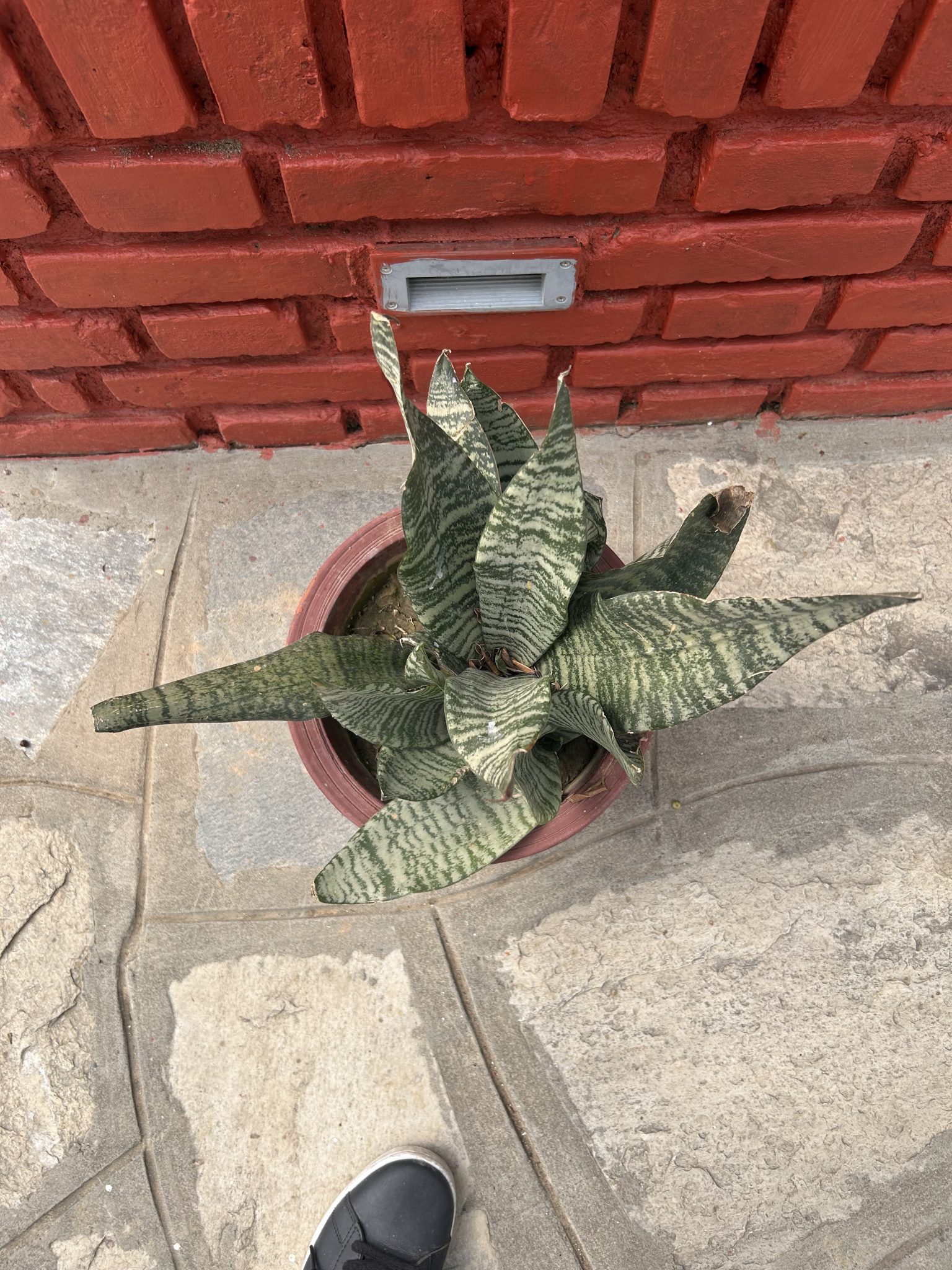
You can set up successful container gardening for a tiny patio in less than two hours. All you need is five sturdy pots with drainage holes, fresh potting mix, and plants grouped by their sunlight needs. This straightforward plan gives you lush foliage and fresh harvests in a space as small as four feet wide.
Choose the Right Pots for a Small Space
Pick containers that hold enough soil to keep roots cool and moist. Pots smaller than eight inches across dry out in half a day during warm weather and stress your plants. Choose pots that are ten to sixteen inches wide and at least ten inches deep. Plastic, resin, and glazed ceramic pots work best on small patios because they hold moisture much longer than unglazed terra cotta.
Every single container must have at least one clear drainage hole at the base. If water sits in the bottom of the pot, plant roots rot within a week. Put flat plastic trays under your pots to protect your patio floor from dirty runoff, but empty standing water from the saucers thirty minutes after watering so roots do not sit in a puddle. You can learn more about general Container garden methods to see how different materials perform outdoors.

How to Start Container Gardening for a Tiny Patio?
Starting requires a clean patio surface and the right growing medium. Never use soil dug straight from garden beds because it packs down tight in pots, stops air flow, and blocks water drainage. Buy bags labeled as lightweight potting mix that contain peat moss, coco coir, and perlite. Set your heavy pots in their final spots before you fill them with dirt so you do not hurt your back later.
- Sweep the patio: Clear away dirt and dead leaves to keep pests away from your new pots.
- Position your pots: Place the largest sixteen-inch pots against the wall or railing, and arrange shorter ten-inch pots right in front of them.
- Fill with mix: Add dry potting mix until it reaches two inches below the top rim of each pot.
- Saturate the soil: Pour one gallon of water into each filled pot and let it settle completely before adding plants.
- Plant your seedlings: Dig small holes, place seedlings at the same soil depth they had in their nursery pots, and firm the mix around the stems.
The Right Amount of Sun and Water
Check your patio between nine in the morning and four in the afternoon to see how many hours of direct sun it gets. A full sun patio receives six or more hours of direct light every day, which is ideal for bush tomatoes, peppers, lavender, and petunias. A shaded patio receives between two and four hours of light, which is plenty for leafy greens, mint, chives, begonias, and ferns.
Water your pots once every morning during the spring and twice a day during hot summer weeks over eighty degrees Fahrenheit. Push your index finger two inches down into the potting mix before watering. If the soil feels dry and crumbly, pour water slowly around the base of the plant until it starts dripping into the bottom saucer. Never sprinkle just the top leaves, because deep root watering keeps patio plants sturdy during dry spells.
Best Plants to Arrange on a Tiny Patio
Grouping pots together creates a humid pocket of air that stops leaves from drying out in city wind. Place taller plants behind smaller bush varieties so every pot catches the sun. You can mix leafy vegetables, culinary herbs, and flowers in the same spot for a colorful setup that fits standard Gardening practices for small homes.
- Bush beans and cherry tomatoes: Grow these compact food crops in twelve-inch pots set along the sunniest wall.
- Fresh kitchen herbs: Plant parsley, basil, and cilantro together in wide ten-inch shallow bowls.
- Flowering annuals: Fill ten-inch pots with marigolds or sweet alyssum to attract bees and keep pests off your leaves.
- Shade greens: Plant loose-leaf lettuce and baby spinach in ten-inch pots tucked beneath the shade of taller tomato plants.
Weekly Upkeep to Keep Pots Thriving
Spend twenty minutes every Saturday checking on your containers. Snip off yellow leaves, spent flowers, and broken stems using clean kitchen scissors. Cutting off dying flowers prompts the plant to make fresh buds instead of seeds. Check the undersides of leaves for aphids and rinse them off with a quick blast of clean tap water from a spray bottle.
Potted plants run out of soil food after four weeks because frequent watering washes nutrients out through the drainage holes. Feed your plants every two weeks starting in month two. Mix one tablespoon of balanced liquid plant food into one gallon of water and pour it directly onto the soil after a regular watering session. Regular feeding keeps foliage dark green and productive all season long.


Comments
Post a Comment