5 Garden Inspiration Ideas for a Small Back Garden
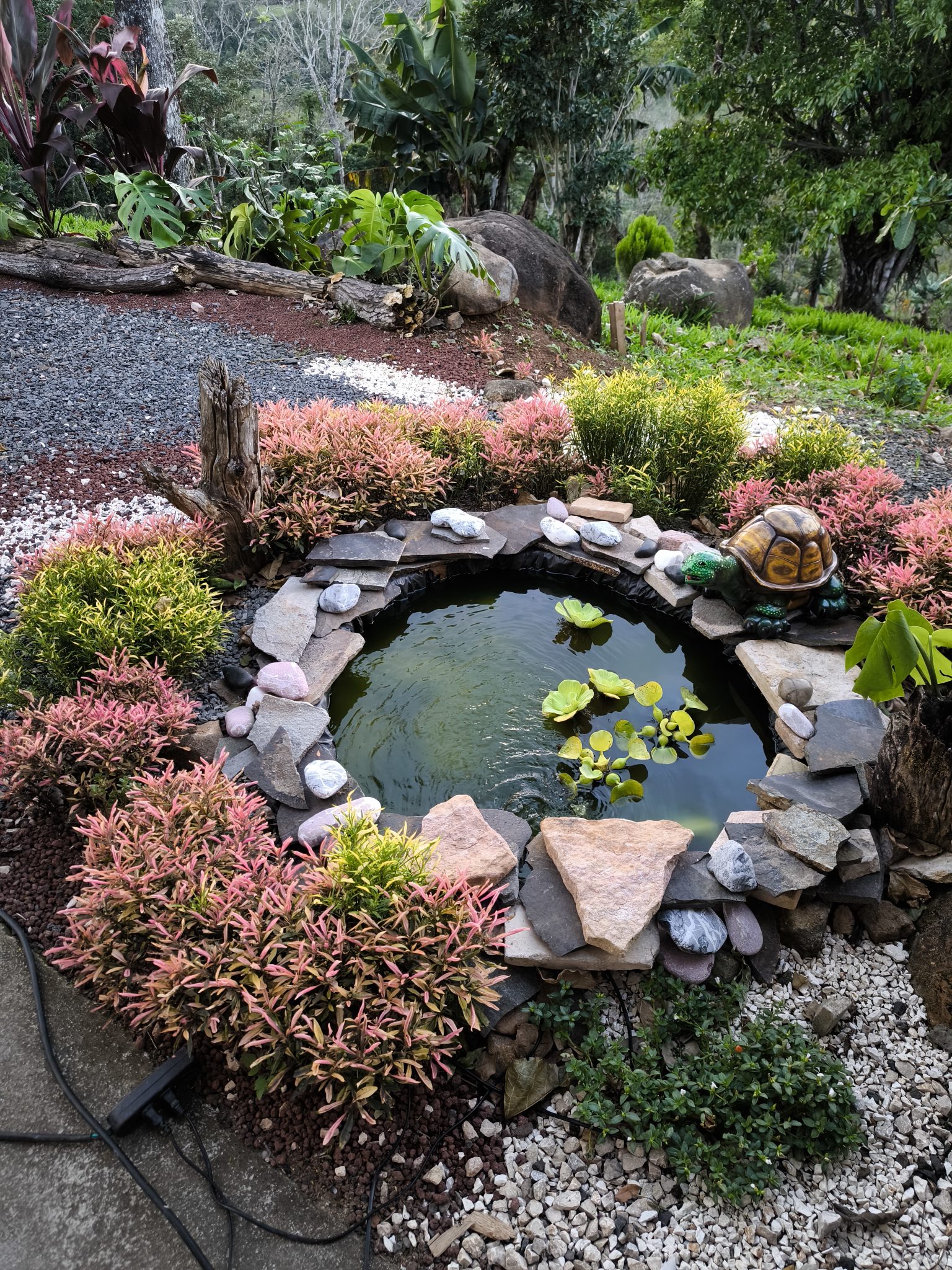
You can transform a tiny yard into a lush retreat by using vertical walls, raised beds, and smart layout tricks. Focus on built-in features that save floor space while giving your plants the exact sun and water they need. Here are five practical garden inspiration ideas for a small back garden that you can build step by step.
How to maximize space in a small garden?
Vertical gardening gives you the most growing space per square foot in a tight backyard. Mounting planters directly onto wooden fences or brick walls frees up your patio floor for seating. Most vertical wall pockets hold about one quart of soil per cell, which dries out faster than deep ground soil. Water these wall units for two minutes every morning using a gentle hose spray or an automatic drip line set for 6:00 AM.
Choose plants based on wall orientation to make sure they get enough light each day. South-facing walls receive six to eight hours of direct sun, while north-facing walls get less than three hours. Group your plants by their light needs so every tier thrives without extra work.
- Pick sun-loving herbs: Plant rosemary, thyme, and oregano on south-facing walls that get six full hours of daily sun.
- Select shade plants: Put ferns, hostas, and heucheras on north-facing walls that get under three hours of direct light.
- Check soil moisture: Push your finger one inch into the top cell every afternoon to ensure the soil stays moist.
- Feed every two weeks: Add five milliliters of liquid kelp fertilizer per gallon of water during June and July.

Build Slim Raised Beds Along Fences
Narrow raised beds measuring eighteen inches wide and twelve inches deep provide ideal root space without crowding your lawn. Build these frames out of untreated cedar boards, which last for years without rotting. Fill each bed with a mix of sixty percent topsoil and forty percent rich compost to give your plants strong nutrients from day one. This setup takes about two hours to construct and fill.
Position your raised beds along the main fence line where they catch morning sun. Water each bed with two gallons of water per five-foot section every three days during summer. If rain falls, skip your watering day to prevent root rot. Cedar beds keep soil warmer in spring, helping your seeds sprout up to seven days faster than ground soil.
Create Zones With Tiered Garden Pavers
Dividing a small space into distinct areas makes the yard feel larger than it is. Laying a simple twelve-by-twelve-foot patio grid using concrete pavers takes one weekend and creates a clear outdoor room. Use dark gray pavers to absorb daytime heat, which warms nearby plants during cool summer evenings. Keep your paved area level by spreading a two-inch layer of crushed sand before setting the stones.
Place large pottery pots at the corners of your paver zone to soften the hard edges. Practicing container garden techniques lets you move heavy pots easily if an area gets too much afternoon shade. Fill eighteen-inch pots with fresh potting mix and soak them with one gallon of water twice a week.
- Dig six inches down: Remove grass and soil across the planned area to build a flat base for your pavers.
- Add sand base: Pour two inches of sharp sand and tamp it down firmly until completely level.
- Set the stones: Place pavers one inch apart, filling the gaps with fine sweep sand to lock them tight.
- Add corner pots: Set large planters at the paved corners to anchor your new outdoor seating area.
Plant Layered Borders for Deep Color
Layering plants by height creates an illusion of depth along flat boundary walls. Place tall species reaching four feet high at the back, two-foot species in the middle, and low groundcovers along the front edge. This stepped structure prevents tall leaves from blocking sun to smaller roots. It also makes your entire garden bed look dense and full within one growing season.
Space your back-row plants eighteen inches apart so they have room to spread without crowding. Water the entire border deeply with one inch of water per week, measured using a simple rain gauge placed in the dirt. Deep watering encourages roots to grow down ten inches into the earth, making your plants strong during hot spells.
Use Climbing Vines on Corner Trellises
Corner trellises direct the eye upward, turning empty corners into bright focal points. Screw a six-foot wooden trellis directly into your corner fence posts using galvanized steel brackets. Planting perennial vines like clematis or honeysuckle gives you leafy coverage that returns every spring without replanting. A single healthy vine can cover twenty square feet of vertical space in two seasons.
Vines require strong sunlight at their leaves but prefer cool, shaded soil at their base. Plant your vine six inches away from the trellis base and cover the surrounding dirt with a two-inch layer of bark mulch. Soak the root zone with one gallon of water twice a week during the first summer to build a resilient root system.


Comments
Post a Comment